

We Just Launched a New Website – Laser Derm Calgary Clinic
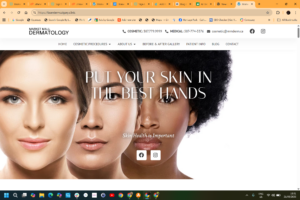
At Ducktoes, we recently launched a new website for a dermatology and laser clinic in Calgary:
https://laserdermcalgary.clinic/
This type of website is very different from a basic business website because dermatology and cosmetic clinics rely heavily on Google search traffic. Most patients don’t already have a clinic — they search things like “laser skin treatment Calgary” or “Botox Calgary” and choose a clinic from Google.
That means the website has to be built not just for design, but for SEO, structure, and conversions.
Website Structure Matters More Than Design
When we build a website like this, we don’t start with colours and fonts.
We start with structure.
A clinic website needs:
- Service pages
- Treatment pages
- Condition pages
- FAQ pages
- Blog posts
- Location pages
- About the doctor pages
Google ranks websites that are organized clearly and answer specific questions.
Service Pages for SEO
Instead of one big page that lists all treatments, we build individual pages like:
- Laser Skin Resurfacing
- Acne Scar Treatment
- Botox
- Fillers
- Skin Cancer Screening
- Hair Loss Treatment
Each page targets a specific search term.
This is how websites get traffic.
Technical SEO
Behind the scenes, we also work on:
- Page speed
- Mobile layout
- Internal linking
- Meta titles and descriptions
- Image optimization
- Schema markup
- URL structure
This is the part most people never see, but it is often the difference between a website that ranks and one that does not.
Websites Are Never Finished
One of the biggest misconceptions is that a website is finished when it launches.
In reality, launching the website is just the beginning.
The real growth comes from:
-
- Blogging
- Adding new pages
- Improving content
- Getting backlinks
- Updating information
- Tracking ranking
Medical Websites Need E-E-A-T
One of the most important parts of building a strong medical website is E-E-A-T, which stands for Experience, Expertise, Authoritativeness, and Trustworthiness. Google pays particularly close attention to these factors on medical and cosmetic clinic websites because they fall under “Your Money or Your Life” content, meaning the information can affect a person’s health or finances. To improve E-E-A-T, the website should clearly show the credentials and experience of the doctors, include detailed author pages for medical content, list clinic contact information and location clearly, and feature real patient reviews and before-and-after results where appropriate. Well-written educational content about treatments, skin conditions, and procedures also helps demonstrate expertise and builds trust with both Google and potential patients.
The best websites are the ones that continue to grow every month.
Final Thoughts
This was a great project to work on, and it’s a good example of how modern websites are built very differently than they were even five years ago.
A website today is not just an online brochure.
It is a marketing system, an SEO system, and a sales tool all in one.
The Internet Before Google Knew Everything
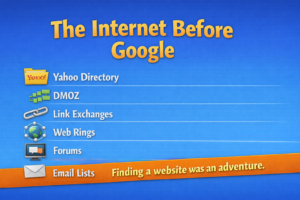
Back in the late 1990s and early 2000s, search engines were… how shall I put this politely…
a bit dim. If you searched for something like Calgary SEO services, the results might include:
-
a page about aquarium filters
-
a travel blog from 2003
-
a PDF about municipal parking rules
-
maybe, if you were lucky, an actual marketing SEO marketing company
Search engines simply didn’t understand the web very well yet.
So clever humans created SEO directories.
Instead of computers ranking websites, people organized them into categories like:
-
Business
-
Computers
-
Shopping
-
Arts
-
People Who Really Like Medieval Spoons
The biggest and most powerful directory was DMOZ.
And ducklings… it ruled the SEO pond.
Here are more SEO directories.
Here are Ducktoes SEO’s own SEO Directories.
Some Great Directories for SEO


Turning the 2024 Google Algorithm Leak into a Strategic Advantage for Long-Term SEO

Introduction
In 2024, the digital marketing world was rocked by a major Google algorithm leak that unveiled critical details about Google’s search ranking system. This leak not only revealed some previously unknown aspects but also validated many existing theories and practices within the SEO community. While the immediate reaction focused on the new information, it’s important to recognize that the leak also reinforced established SEO insights.
The leaked details provided valuable insights into various facets of Google’s ranking mechanisms, including the weighting of different factors and recent algorithm updates. While some of these insights were new, many aligned with previously held beliefs about SEO practices. This combination of new revelations and validation offers a unique opportunity to refine and enhance SEO strategies.
In this blog, we will explore how to leverage the 2024 Google algorithm leak to build a more resilient and effective SEO approach. Instead of merely reacting to the new revelations, we’ll focus on how to use this information, along with the confirmed theories, to strengthen your long-term SEO strategy. By developing a robust SEO foundation, fostering authoritative relationships, and preparing for future changes, you can turn this leak into a strategic advantage. Let’s dive into how you can use these insights to elevate your SEO efforts and achieve lasting success.
Understanding the Leak

In 2024, the Google algorithm leak provided an unprecedented look into the specifics of Google’s search ranking system. Here are some of the key details revealed:
- Ranking Factors and Their Weight: The leak detailed how Google evaluates and weighs various ranking factors:
- Content Quality: High-quality, relevant content has been confirmed to be a primary factor in rankings. Google’s algorithms are increasingly sophisticated in assessing content depth, originality, and user engagement.
- Backlink Profile: The importance of backlinks was highlighted, with an emphasis on the quality and relevance of linking sites rather than sheer quantity. High-authority backlinks from relevant sources are more valuable.
- User Engagement Metrics: Factors such as click-through rates (CTR), bounce rates, and time spent on page are now more influential in ranking decisions. Google uses these metrics to gauge how well users engage with content.
- Recent Algorithm Updates: The leak exposed several recent adjustments to Google’s algorithm:
- Page Experience Signals: Google’s focus on user experience has intensified, incorporating signals such as page load times, mobile-friendliness, and overall site usability.
- AI and Machine Learning: Updates to Google’s AI and machine learning models have enhanced the ability to understand natural language and user intent. This means that content needs to be contextually relevant and well-structured to rank well.
- Local Search Enhancements: There were adjustments in how local search results are generated, with greater emphasis on user location and local relevance in search queries.
- New Evaluation Criteria: The leak introduced potential new criteria for assessing page quality:
- Content Authenticity: Google is placing more emphasis on the authenticity and credibility of content. Sites with verified expertise and trustworthiness are likely to see better rankings.
- Interactive Elements: New evaluation criteria include the presence of interactive elements, such as user polls or live chat features, which can enhance user engagement and satisfaction.
Impact on Current SEO Practices:
- Refining Optimization Strategies: With content quality and user engagement now more heavily weighted, SEO professionals should focus on creating highly relevant, well-researched, and engaging content. This includes optimizing for user intent and ensuring content depth.
- Adjusting to Algorithm Changes: Given the increased importance of page experience signals and AI advancements, it’s essential to improve site performance, mobile responsiveness, and overall user experience. Regularly updating and testing these elements will help maintain competitive rankings.
- Meeting New Criteria: To align with new evaluation criteria, websites should prioritize building credibility through authoritative content and interactive features. Enhancing site trustworthiness and user interaction can positively impact search rankings.
By integrating these specifics into your SEO strategy, you can better align with Google’s current ranking preferences and improve your site’s visibility and performance in search results.
Developing a Robust SEO Foundation

Long-Term Keyword Strategy:
The insights from the 2024 Google algorithm leak provide a valuable opportunity to refine your keyword strategy for long-term success. Understanding the current emphasis on content quality and user engagement underscores the need to carefully select and target keywords that align with your audience’s intent. Start by revisiting your keyword research to ensure you’re targeting terms that are not only relevant but also reflect the evolving search behavior of your users. Focus on creating a diverse keyword portfolio that encompasses a range of related terms and phrases. This approach helps in capturing various search queries and allows for a broader reach. By integrating both high-volume and long-tail keywords, you can better address different stages of the user journey and ensure that your content remains relevant and visible in search results.
Content Diversification:
The leak has highlighted the increasing importance of content quality and user engagement, making content diversification a crucial aspect of a robust SEO strategy. To appeal to a wide range of user preferences, consider creating various types of content beyond traditional blog posts. Incorporate videos, infographics, podcasts, and interactive elements such as quizzes or surveys. Each content type serves a different purpose and can engage users in unique ways, which is essential for maintaining user interest and improving site metrics. Diversifying your content not only caters to different user needs but also helps reduce reliance on any single ranking factor. For instance, while high-quality written content remains important, interactive elements and multimedia can enhance user engagement and contribute to better overall site performance. By expanding your content offerings, you can build a more resilient SEO strategy that adapts to changing algorithms and maintains strong search visibility.
Building Relationships with Authority

Quality Link Building:
The 2024 Google algorithm leak provides critical insights into the value of high-quality backlinks and the importance of earning them from authoritative sources. With the leak highlighting the growing significance of credible links, it’s essential to refine your link-building strategy accordingly. Focus on creating exceptional content that naturally attracts backlinks from reputable sites. This can include in-depth guides, original research, or insightful articles that offer significant value to your target audience.
Leverage the information from the leak to identify potential high-value link sources within your industry. Building authentic relationships with industry influencers, thought leaders, and other reputable content creators can enhance your link-building efforts. Engage in meaningful collaborations, such as guest posts or joint projects, and contribute to industry discussions to increase your chances of securing valuable backlinks. By prioritizing quality over quantity and focusing on genuine, relevant connections, you can build a more authoritative online presence.
Industry Networking:
Networking within your industry is essential for establishing and maintaining credibility. The leak underscores the importance of strong industry relationships for enhancing your site’s authority. Actively seek out opportunities to connect with peers, industry leaders, and other professionals through events such as conferences, webinars, and industry-specific forums. These interactions not only help in building valuable backlinks but also position you as a credible and engaged participant in your field.
To effectively build and maintain these professional relationships, approach networking with a genuine interest in collaboration and mutual benefit. Offer value to your connections by sharing insights, providing support, or contributing to joint projects. Regularly engage with your network through social media, email updates, or industry discussions to keep the relationships active and productive. By fostering a robust network of industry connections, you enhance your credibility and create opportunities for meaningful collaborations that can support your long-term SEO goals.
Future-Proofing Your SEO

Adaptive SEO Practices:
The 2024 Google algorithm leak has made it clear that SEO is an ever-evolving landscape, with changes happening rapidly and often unpredictably. To maintain a competitive edge, it’s crucial to implement adaptive SEO practices that can quickly adjust to future algorithm updates. Instead of relying on short-term tactics or overly specific optimizations, focus on core elements that consistently influence search rankings, such as user experience, site performance, and content quality.
Prioritize enhancing user experience by improving site speed, mobile responsiveness, and accessibility. Google’s ongoing focus on user-centric metrics, like page experience signals, underscores the need for a fast, intuitive, and engaging website. Additionally, pay attention to site performance, including technical SEO aspects such as structured data, proper indexing, and error-free navigation. By building a solid foundation based on these core principles, your site will be better positioned to adapt to future algorithm changes without drastic overhauls.
Continuous Learning
To truly future-proof your SEO strategy, cultivating a culture of continuous learning and improvement is essential. The SEO landscape is dynamic, and staying informed about the latest trends, updates, and best practices is vital for long-term success. Regularly consume reputable SEO resources, attend webinars, participate in industry forums, and engage with the SEO community to stay updated on new developments.
Encourage a mindset of agility within your team, where ongoing education is prioritized, and adaptability is embraced. Being proactive in testing new strategies, experimenting with different content formats, and analyzing the outcomes can help you remain ahead of the curve. By fostering a culture of continuous improvement, you can ensure that your SEO efforts remain aligned with current and future trends, making your strategy more resilient against the ever-changing landscape of search engine algorithms.
Conclusion
The 2024 Google algorithm leak offers a rare glimpse into the intricacies of Google’s ranking system, providing both validation of existing practices and new insights that can shape future SEO strategies. Rather than focusing solely on the new revelations, it’s essential to use this information as an opportunity to refine your long-term approach. By emphasizing high-quality, relevant content, improving user engagement, and building strong, authoritative relationships, you can align your site with Google’s evolving ranking criteria.
Moreover, this leak underscores the importance of adaptive SEO practices, where flexibility and continuous learning are key to staying competitive in a rapidly changing digital environment. Implementing a diverse content strategy, enhancing site performance, and focusing on user experience will not only improve your current rankings but also safeguard your site against future algorithm updates. Ultimately, turning these insights into actionable steps will give you a strategic edge, ensuring that your SEO efforts remain effective and resilient for the long term.